content
Introduction: when Black Friday stretches into weeks
Once upon a time it was simple: one day, big banners, mild panic, then lights out. Now the “Friday” politely taps in during October, cycles through pre-BF, BF, Cyber Monday, and only bows out near New Year. Shoppers adapt to the marathon: they collect offers, compare, wait, and finally buy from the brand that kept tempo—not the one that shouted first. The lesson: consistency beats volume.
Planning budget when a sprint turns into a marathon
The first instinct is to push everything at launch. That’s exactly when people look more than they buy. Think in waves instead: warm up with modest pressure and reasons to return; lean in as deadlines start doing their magic; keep a reserve for the “last chance” window that disciplines carts like nothing else. Separate brand from performance budgets—or the brand campaign will eat the table while real fights go hungry.

Mobile experience: the first screen beats the first discount
Mobile traffic soars in season. If the page is slow, the “buy” button hides below the fold, and checkout feels like a visa form, no bid can save you. Getting the full funnel right – from ad to checkout – is what separates effective eCommerce PPC management from campaigns that look good in dashboards but leak revenue on mobile. Keep simple things simple: speed, readable titles, big previews, one obvious path to action. For video, go vertical, go close-up, and show the next step on screen—as if one hand is watching and the other is already reaching for the wallet.
Social commerce: “I’m watching—and buying here”
TikTok Shop and Instagram Shopping stopped being toys. They’re real checkouts in the mall, with the clip and the pay button standing shoulder to shoulder. Your job is not to break the omnichannel thread. If a bundle is exclusive in social, the site and feed should speak the same language. People feel detours—and walk to the brand that doesn’t make them take one.
AI personalization: where it helps and where it’s noise
We love to credit AI with miracles, but it performs only as well as your data. In broad assortments with repeat purchase, dynamic offers and recommendations can move the needle. In complex, high-consideration buys, a clear explanation of value now beats fifteen headline variants. Auto-generated assets are useful for variety, but only if you anchor them with a difference, a fact, a proof point.
The cautious buyer: sell value, not just a percentage sign
Holiday arithmetic made shoppers picky. They look not for “70% off everything” but for packages where the value is obvious—not just the price. Honest bundles, visible terms, transparent returns, and “arrives before the holidays” build trust. Calm social proof and clear guarantees persuade better than loud slogans.
Marketing, logistics, and stock: the trio that decides outcomes
In peak weeks, ads don’t force the warehouse; the warehouse dictates what’s safe to advertise. If your feed lags behind price and stock, platforms punish, and buyers leave. You need a green line with operations: which SKUs are truly available, what delivery promises you can keep, where the bottleneck sits and how you widen it. In short, promo follows reality—not the other way around.
Direct season levers: the no-fluff checklist
If you came for the actionable core, start here:
-
Set one primary conversion with real business value; pull secondary goals out of optimization.
-
Bucket the catalog by logic: high margin, seasonal sets, and a capped long tail—separate PMax as needed.
-
Use custom labels for margin/season/stock priority so budget flows where the business wins.
-
Switch on Merchant Center Promotions and automatic item updates; keep price/availability in lockstep.
-
Seed only 2–3 crisp audience signals: key-category viewers, engaged-view video, purchasers in 180 days.
-
Control YouTube inventory and exclude risky topics/URLs—fewer, better impressions beat broad exposure.
-
Allow Final URL expansion where content is uniform; pin target URLs where the site is patchy.
-
Separate brand vs non-brand (campaign split or exclusions) so brand doesn’t swallow everything.
-
Run short geo/time holdouts to tell real lift from credit reassignment before scaling.
Measuring when attribution “breaks”
Peak season data gets jittery: many touches, fast decisions, some sales via social commerce. Look one level up—MER and blended ROAS. They don’t argue who “won” the conversion; they ask if the pressure paid back. Then work in short analysis loops: weekly, not perfect—just “what we changed, what happened, what we change next.” Keep at least one “clean” stretch without discounts to see where promo ends and normal life begins.

Case study: maximum effect on a minimal Google Ads budget
A DTC home-decor brand with 120 SKUs and a modest budget wanted growth without phantom wins or margin burn.
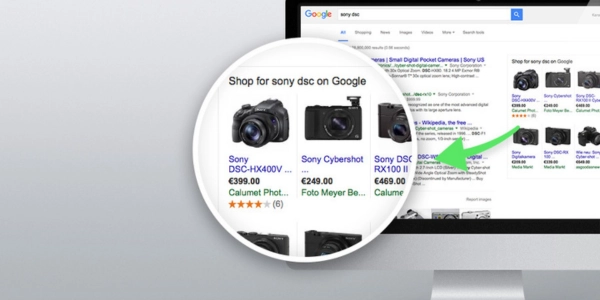
We started with Search, but not “everything now.” Brand ran in its own pen with a cap. Exact non-brand ad groups targeted the strongest SKUs: model, material, size, plus sitelinks for bundles and promos. In parallel, the feed got a cleanup: concrete titles, right categories, clean images, Merchant Center Promotions, and automatic item updates.
PMax was put on rails with a feed-first posture: minimal poetry in asset groups, maximum clarity in data, custom labels for margin and season, and tightened YouTube inventory. We added 6–10 second clips—not to “collect views,” but to harvest engaged-views and feed research audiences. On-site friction vanished: visible terms, bundles, a “delivers before the holidays” timer, and a short checkout that didn’t test anyone’s patience.
Outcome: in the two peak weeks, exact Search and Shopping with promo extensions carried revenue. PMax steadily lifted high-margin categories—thank you, custom labels—while video disciplined itself and fed the right audiences. MER stayed in range, blended ROAS held steady even on logistics-peak days. No magic—just tidy catalogs, clear intent, and creatives that say the thing.
Post-holiday follow-through: when the quiet is an opening
After the fireworks, some people linger at the door: the cart was there, the phone rang; the gift was planned, time ran out. Keep a small tail program: soft remarketing for abandoned carts, add-ons, accessories, and gentle loyalty bonuses. This isn’t “one more discount”—it’s finishing the story you almost completed together.
Conclusion: discipline beats drama
Holiday season isn’t a banner brawl; it’s choreography: budget waves, mobile comfort, honest offers, operational reality, and measurement at the business level. With that frame, Google Ads plays nicely even on a lean budget: precise Search, a controlled catalog, short video to feed intent—and no extra fuss. If you want this assembled for the US or Europe, Advantrise can set the process: from feed and creatives to budget waves and seasonal tests. In a marathon the winner isn’t the fastest sprinter; it’s the one who runs the smartest.
Subscribe to our newsletter